

Okami, Devil May Cry, and Bayonetta creator Hideki Kamiya says he’s more concerned about the future of game preservation than whether games remain available physically or digitally.
Speaking alongside fellow Clovers co-founder Kento Koyama, Kamiya shared his thoughts with VGC over the impending end of physical game discs on PlayStation platforms.
Kamiya said that while the news doesn’t particularly affect his own buying habbits, since he now buys games “100% digital”, he does fear that something meaningful will be lost when physical games disappear.
“I don’t buy a single physical game these days – every single game I buy is 100% digital,” he said, “so I look at that decision and think, ‘Yeah, I guess this is where things were heading’.”
As a keen retro games collector, Kamiya said his bigger concern is whether games will remain available to play as hardware and distribution platforms change.
“That’s the big thing for me, is whether or not the IP holders are going to take responsibility for ensuring that all of these games will continue to be available to future generations in order for them to be played. Whether that’s physically or digitally is less important to me, just so long as these games will be available to people in the future.”
He continued: “Because, as you know, there are already so many of these older classic games that are not playable on modern hardware at all, and I hope that the IP holders will recognize that and continue to make those games available to future people not just from a gameplay perspective, but also from a game culture perspective, and to continue to foster and grow that that culture of gaming.
“So to me it’s less important whether the games are made available physically or digitally, but that they’re made available at all.”
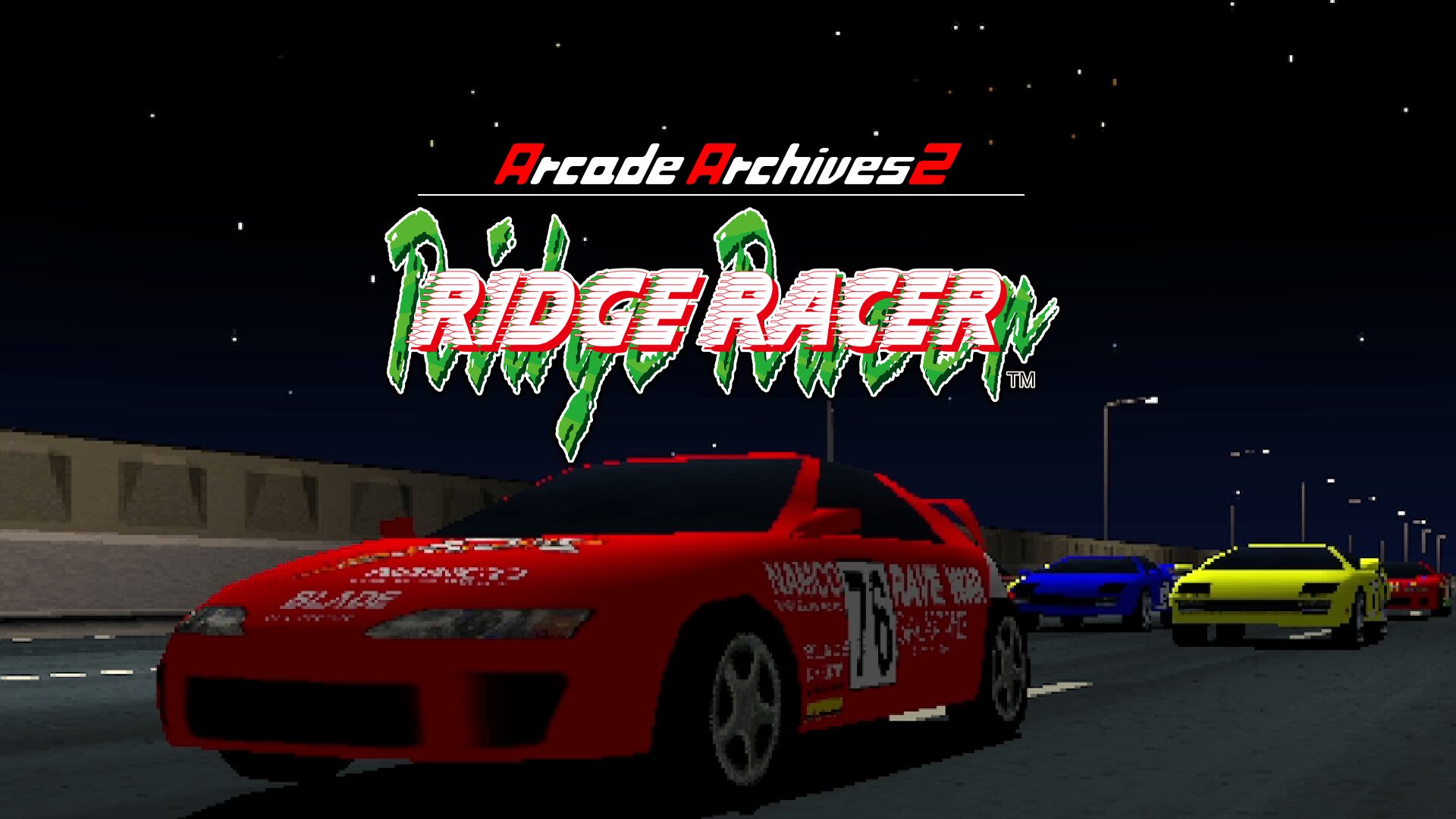
Kamiya pointed to Hamster Corporation’s Arcade Archives series as an example of how classic games can remain accessible on modern hardware. The former PlatinumGames VP owns more than 200 arcade boards, but said he still turns to Arcade Archives on modern platforms when he wants to play those games without the hassle of setting up the original hardware.
The games Kamiya still proudly displays

Clovers president Kento Koyama said that while the end of PlayStation game discs may make some sense from a business perspective, he’s saddened by the idea that physical game collections could disappear.
“Speaking for myself, I’ve been buying a higher proportion of games digitally lately,” he said. “But at the same time, whenever I feel like there’s a really special game that I want to hold onto for the long haul, I always make sure to buy a physical copy of it.
“In my house I have my own dedicated game room with just about all of my past consoles, like the original Xbox, Dreamcast, and so on, as well as shelves stacked with games.
“Sometimes even just walking into that room and browsing through the labels on the side of the games just brings that little flutter to my heart, and I think there is something sad about the idea that that might be going away.”
Kamiya then offered a personal example of why physical games can have value beyond simply providing a way to play them, recalling a meeting with the late Nintendo president Satoru Iwata.
“I’m sure you remember the Iwata Asks series, where former Nintendo president Satoru Iwata used to interview developers. I was able to appear one time and I actually brought my collection of all the past NES titles that he worked on back when he was just a programmer.
“I think it was Pinball, Golf, F1 Race, and a few others… something like seven games in total. I brought them, and I asked him to sign all those games for me, and I still proudly display those to this day. So it’s a good point that maybe in the future people won’t be able to have that kind of experience anymore.”
An all-digital future could theoretically make game preservation more difficult, should publishers not make their older games available on newer platforms. The Video Game History Foundation (VGHF) recently called on trade groups to find a solution for preserving digital games on a long-term basis.


